

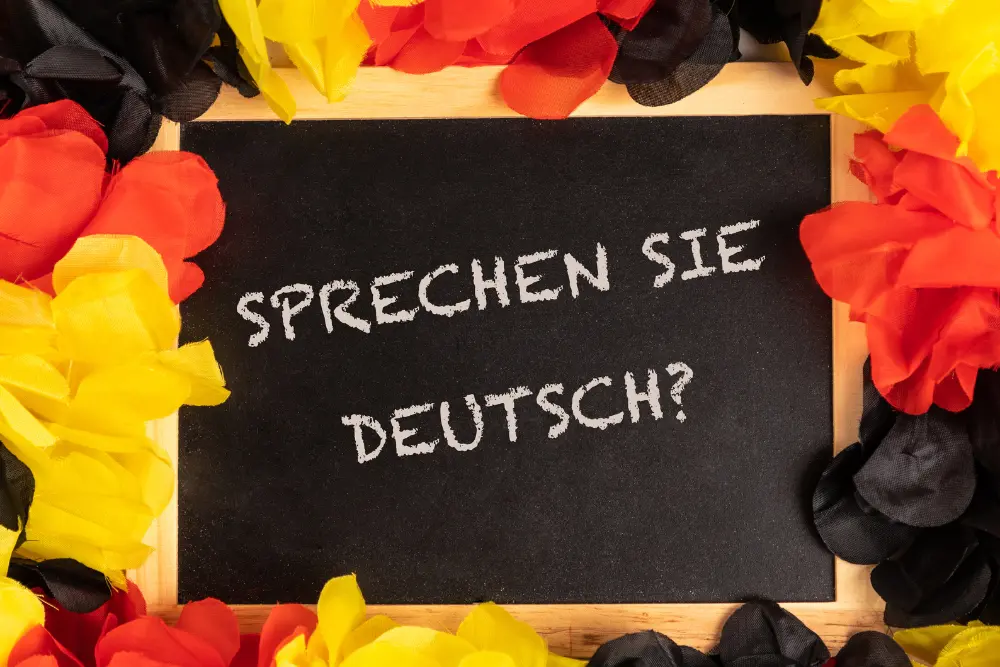
At Language Learnings by Start Language School, learning German vocabulary is a crucial step in your beginner’s German language learning journey or enhancing your existing skills. Vocabulary forms the backbone of your ability to learn a language: it can help you comprehend others as well as express yourself clearly and confidently. This extensive blog will explore specific, practical methods and concrete tips for learning German vocabulary, as well as how to utilize amazing tools like a German tutor online and a German vocabulary list. These tactics will help you gradually approach fluency, making the process both fun and tailored to your personal goals.
Why German Vocabulary Matters
Vocabulary is the pinnacle of language skills. Without a sufficient vocabulary:
- Spoken or written German is hard to follow.
- Communication of thoughts, wants, and feelings is reduced.
- It’s much more difficult to understand cultural nuance and context.
A broad, functional vocabulary will unlock communication and media for you and connect you to German culture. The acquisition of language, unlike grammar, frequently brings instant rewards: a new word enhances your capacity to express yourself.
Start with Well-Organized German Vocabulary Lists
The use of German vocabulary lists is a time-tested way to approach learning in bite-sized increments. Categorizing your vocabulary into topics and rates can help you memorize the most useful words for your level:
- Start with basic lists for learners covering numbers, greetings, family, and daily verbs.
- Move on to intermediate topics such as food, travel, emotions, and occupations.
- Try our more difficult lists of idioms, abstract concepts, or industry jargon.
Lists are available from sources like language apps, websites, and textbooks. Tailor your lists around your interests and objectives.
How to effectively use vocabulary lists:
- Review lists daily.
- Write sentences using new words.
- Update with new vocab when I come across them regularly.
And this methodical approach provides for systematic, targeted vocabulary growth.
Set Achievable Daily Vocabulary Goals
Regularity is more effective than cramming in terms of building your vocabulary:
- Aim for 5-15 new words a day.
- Now list the words and what they mean.
- Practice new vocabulary in short sentences, or even in dialogue.
By separating your goal into bite-sized daily goals, you eliminate overwhelm and gain consistent momentum. Reviewing old words frequently helps to move them from short-term to long-term memory.
Work with a German Tutor Online for Personalized Support
One of the quickest ways you can learn German language by engaging with a German tutor online:
- Tutors customize lessons based on your skill level and interests.
- They achieve this by introducing words in context, allowing you to understand their usage.
- Instant feedback is provided to correct pronunciation and usage errors.
- Regular practice and motivation are ensured with the scheduled sessions.
A tutor helps you use vocabulary actively rather than memorizing passively. At Language Learnings, one of our online tutors specializes in beginner German, and we can create your German vocabulary based on your specific needs.

Use Spaced Repetition and Flashcards to Maximize Memory
Spaced repetition is scientifically proven to schedule vocabulary reviews at the most effective intervals:
- Take your German vocabulary lists and make flashcards out of them with apps like Anki, Quizlet, or Memrise.
- Add the German word, the English meaning, a sample sentence, and an image if you like.
- After each day’s study, review cards, and spread out repetitions based on how well you know the word.
This active recall approach reinforces retention and will develop a lasting vocabulary.
Immerse Yourself in Authentic German Content
Being exposed to natural German helps to put vocabulary in a usable form:
- Watch German films and TV shows with subtitles in the beginning (see “Extra auf Deutsch”).
- Listen to easy German podcasts.
- You can read children’s books, news articles, or blogs to learn the language in context.
Add new words and phrases to your German vocab lists with example sentences. Immersing the student in meaningful contexts is like a booster shot for learning.
Speak and Write Regularly to Activate Vocabulary
It’s important to get practice with new words in use, and so it becomes fun to use them:
- Journal in German, write essays in German, or write about your day in German on social media.
- Speak out loud, even if it’s to yourself.
- Talk online with your German-speaking tutor, taking turns in English and German.
It keeps the vocabulary front and center in your thoughts, and opens up possibilities for spontaneous language study.
Leverage Mnemonics and Visual Aids for Difficult Words
At the same time, some creative methods help improve memory:
- Associate a word’s sound or meaning with a strong mental image.
- Use quirky or exaggerated associations.
- Diagrams or mind maps about vocabulary items (themes).
For instance, you could recall “der Apfel” (apple) by imagining an apron (‘Ap-fel’) on an apple. Mnemonics help tough words stick and add some fun to learning.
Customize Vocabulary to Your Interests and Lifestyle
Personal relevance increases both memory capability and motivation:
- One interesting way to do this is to make a list for your German vocabulary which involves hobbies, your job, travel experiences, and everyday routines.
- The words have to do with your hobbies or the work you do.
- Do this in chat and writing.
Matching words with your life goals turns study into a meaningful journey.
Regularly Review and Test Yourself
This is how words can be nailed in place through an active recall test:
- Make flashcards or quiz yourself every week or so.
- Write short messages and get into the habit of speaking with new words.
- Was that the German sentences and word list of yours? Ask your German teacher to include it in a test, and then practice in class.
Repeating frequently helps prevent the mind from forgetting and highlights which words need more attention.
Join German Language Communities and Social Groups
After all, social practice enriches vocabulary study:
- Join groups of language forums online, local social groups, or local clubs.
- Share vocabulary tips, exchange new words for old.
- You can practice with learners and native speakers of that language as a genuine form of practising learning with a purpose.
Social activity provides genuine application, cultural context, and encouragement.
Why Choose Language Learnings to Learn German Vocabulary?
At Language Learnings by Start Language School, we offer personalized German lessons delivered online by an expert tutor.
- Specialized vocabulary lists catered to beginning students expand their working knowledge efficiently.
- A balanced approach combining digital and traditional tools immerses students in a rich language environment for structured practice both online and offline.
- Continuous feedback, encouragement, and reinforcement ensure steady progress built on growing confidence.
Our goal extends beyond mere memorization of words to facilitating genuine engagement with the language itself. Looking to increase your vocabulary and speak with greater ease? Join us now to access personalized learning strategies and active methodologies guaranteeing success. Whether just starting or aiming to maintain fluency, work directly with a professional tutor for customized support. Embark on your German language journey today and truly experience the culture firsthand.
Through targeted lists, short exercises, and focused practice with vocabulary in varied contexts, tutors support students’ repetition of new terms alongside creative immersion techniques. This gradual, skillful process transforms once daunting vocabulary lessons into an engaging experience that students anticipate. With practice, creativity, and the proper guidance, one naturally broadens their working vocabulary, opening doors to both proficiency and cultural exploration.
Viel Erfolg! (Good luck!)