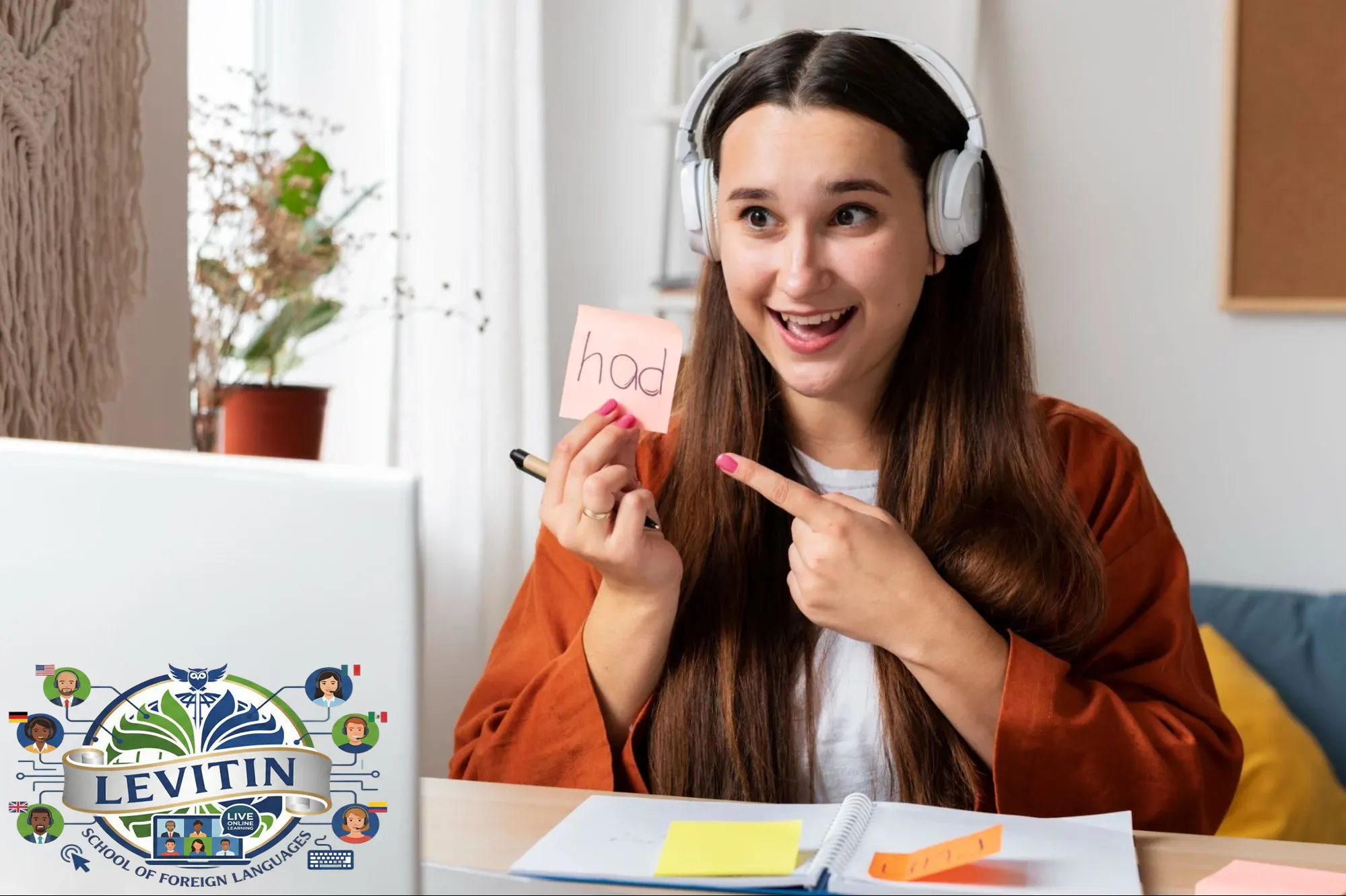



Vocabulary lists and grammar rules only get a learner so far. Most people studying Spanish online already recognize common words and understand basic sentence structure—the harder part is using that knowledge confidently in conversation. The best Spanish language courses online help close that gap through live lessons, guided speaking practice, and feedback from tutors who can hear exactly where a learner is struggling.
What matters most isn’t the number of classes on offer, but whether a course gives learners enough chances to speak, make mistakes, understand those mistakes, and try again with useful correction. No app can identify a learner’s specific difficulties the way an experienced tutor can.Language Learnings offers Spanish instruction through live lessons with expert tutors, in both one-to-one and group formats, spanning beginner through advanced and conversational levels.
Why a Spanish Course Should Prioritize Speaking Practice
A well-built course pushes learners past memorization and into actual use of the language. Speaking regularly builds confidence, sharpens pronunciation, and helps responses come more naturally.
Live classes work well for this: a tutor rarely sticks to the exact question a learner expects. They might follow up, rephrase, or notice a verb tense being quietly avoided week after week. None of this requires flawless Spanish – a beginner can practice introducing themselves, describing a typical day, or asking a price. The goal early on is simply to start using the language rather than waiting until it feels ready.
Key Criteria for Evaluating a Spanish Course
- Plenty of courses look impressive on a landing page. A long feature list rarely says much about what a lesson actually feels like.
- Structure matters. A learner should never wonder whether today’s lesson connects to the last one. Language Learnings organizes its Spanish courses by level, including an A1 course for complete beginners covering everyday vocabulary, basic questions, present-tense grammar, and simple conversation in a clear order.
- Speaking time has to be real. A lesson can stay busy for a full hour without the learner saying much. Learners should be answering questions and building their own sentences throughout – not just listening to an instructor talk.
- Correction should be selective. A capable tutor knows the difference between an error worth stopping for and one that can wait until a learner finishes their thought.
- Skills should connect, not sit in separate boxes. A good lesson might open with a short dialogue, discuss what was heard, isolate a grammar pattern, and close with the learner using that pattern themselves.
Structuring Beginner Spanish Courses for Steady Progress

The first few lessons often move quickly—greetings, numbers, familiar words. Then verbs, gender, and sentence patterns show up all at once, and the pace can feel a lot less forgiving.A new learner doesn’t need every grammatical term by name; they need enough to say something useful and follow the reply. Introducing yourself becomes far more useful once a lesson also covers the natural follow-ups: Where are you from? What do you do?Well-structured online Spanish classes can make this early stage easier by introducing grammar and vocabulary in a practical, step-by-step way. Language Learnings’ A1 course is built for learners starting from zero and is designed as groundwork for A2 and beyond, with each new topic building on something already covered.
Recommended Practice Between Tutor Sessions
One lesson a week moves things forward, but the days in between matter just as much:
- Revisit last lesson’s corrections. Repeat corrected sentences the next day instead of jumping straight to new vocabulary.
- Narrate your own day for five minutes. Describe what you’re doing or what’s planned for tomorrow.
- Keep a short, realistic phrase list – phrases you can picture using, not every unfamiliar word you encounter.
- Listen twice. Once for the general idea, again to catch details you missed.
- Save a question for class. Bring whatever confused you directly to the tutor.
Choosing Between One-to-One and Group Lessons
There’s no single right answer – it depends on what keeps a learner engaged.
Factor | Private Lessons | Group Lessons |
Pacing | Fully adjustable to the learner | Set by the group’s average pace |
Focus | Targets specific, recurring mistakes | Broader exposure to varied topics |
Best suited for | Specific goals: relocation, work, travel prep | Learners who benefit from peer interaction |
Speaking time per learner | Maximum | Shared among participants |
Typical learning style | Prefers focused, individual attention | Enjoys a collaborative environment |
Private lessons suit learners who want control over pacing or keep tripping over the same mistakes. Group classes suit learners who benefit from other voices in the room – and from realizing that everyone stumbles sometimes. Language Learnings offers both, so learners can choose the structure that fits.
Evaluating the Personal Quality of Online Instruction

Online Spanish with a live, interactive tutor still means practicing pronunciation, role-playing everyday situations, and getting immediate feedback. It also removes a real obstacle: travel time. A 60-minute class can take closer to two hours once a commute is factored in, while online lessons fit more easily around work or childcare.
Language Learnings supports access from any device and flexible scheduling – which only pays off if lessons are treated as real appointments.
Essential Questions to Ask Before Enrolling
- What level will I start at?
- How much of each lesson will actually involve me speaking?
- Are lessons one-to-one, group-based, or both?
- Will the tutor correct pronunciation as well as grammar?
- What happens if I progress faster or slower than expected?
- Are there materials to use between lessons?
- Can lessons be adapted for travel, work, or exams?
- Is a trial session available?
Language Learnings currently offers a 30-minute trial lesson, which is worth taking seriously when considering online Spanish lessons, since a perfectly qualified tutor can still be the wrong fit for how a learner works best.
Aligning Lessons with Personal and Professional Goals
One of the fastest ways to lose motivation is studying a language with no real use in mind.
Learning Goal | Suggested Focus Areas |
Travel | Hotel check-ins, directions, ordering food, reservations |
Work | Introductions, small talk, scheduling, describing your company |
Family or relationships | Listening comprehension, everyday conversation |
Exams or certification | Structured grammar, timed practice, formal writing |
General fluency | Balanced practice across speaking, listening, vocabulary |
Lessons tend to stick far better once the examples sound like something a learner might actually say.
Indicators of Measurable Progress
Progress rarely announces itself all at once. A learner might notice they:
- Answer a familiar question without translating it in their head first.
- Follow the general point of a conversation while missing a few words.
- Catch and fix their own mistake mid-sentence.
- Need fewer notes during class than before.
- Worry less about getting every sentence exactly right.
These moments mark the shift from studying Spanish to simply using it.
How Language Learnings Supports Spanish Learners
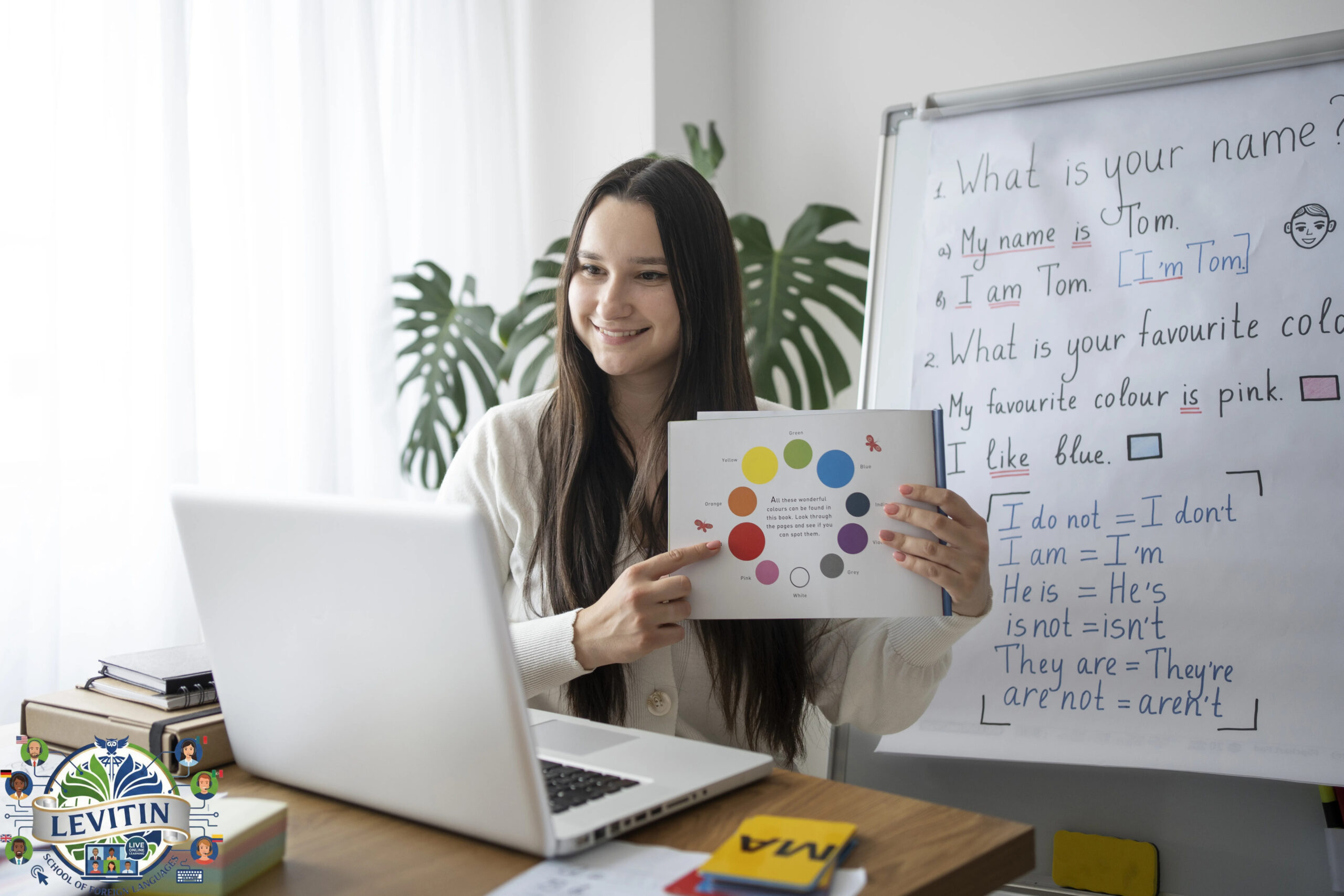
Language Learnings offers Spanish courses from beginner through advanced and conversational levels, with live one-to-one and group classes covering speaking, listening, reading, and writing in real-life contexts. Beginners get a clear starting point through the A1 course; learners with some foundation can move straight into higher-level or conversation-focused study instead of repeating familiar ground.
Conclusion
The best Spanish course isn’t the one with the biggest video library – it’s the one that gets a learner actually using Spanish often enough for the language to stop feeling theoretical. New learners should look for a clear sequence and low-pressure speaking practice. Learners with some Spanish already should look for lessons that push them to talk longer and finally deal with mistakes that keep following them around.
For learners after live teaching, flexible access, and a real choice between private and group formats, Language Learnings has several Spanish learning paths worth a closer look.
Frequently Asked Questions
Don’t judge a course by the number of lessons it offers. Look at what actually happens during those lessons. Will you get time to speak? Can the tutor point out pronunciation problems? Is the material suitable for your level? If you want to learn Spanish online, these details matter more than simply choosing a course with a long lesson list. Your reason for learning matters as well. Spanish for a holiday is quite different from Spanish needed for work, study, or regular conversation.
Absolutely. Most beginner classes assume you are starting with very little knowledge. Early lessons may cover greetings, introductions, numbers, simple questions and phrases you are likely to hear in everyday situations. You won’t be expected to understand complicated grammar straight away. That comes gradually as you begin forming your own sentences.
They offer different experiences. With a private tutor, there is more room to stop, ask questions and spend extra time on something you keep getting wrong. A group class brings other learners into the conversation, which can be useful because you hear different voices and ways of speaking. Some people enjoy the energy of a group; others concentrate better one-to-one.
Not for hours. What helps more is keeping in touch with the language regularly. You might have one or two formal lessons during the week and then do small things in between: replay a dialogue from class, practise five useful phrases, listen to a short Spanish video, or try saying what you did that day. Even brief practice keeps the language familiar.
Usually, yes, because a real conversation is never completely planned. Your tutor might ask something you weren’t ready for, and you may need a few seconds to work out your answer. That is useful practice. Over time, you become less worried about getting every sentence perfect and more comfortable simply getting your point across.