


One common problem faced by anyone searching for Italian courses is too many options available, not enough clarity about what truly accelerates learning. Apps say you’ll be fluent in weeks. Universities have semester-long grammar tracks. None of them tell you the one thing that actually matters: speed comes from structure, not hours logged.
Learning Italian faster online isn’t about finding a magic app or memorizing more words before you go to sleep. It’s about picking a course that builds on itself, gives you actual feedback, and makes you talk before you feel ready. The people who move fast aren’t smarter or more talented, they just picked a path that doesn’t waste their time.
So before you sign up for another course, it’s worth asking what actually separates a program that gets you talking in a month from one that doesn’t.
Why "Learning Faster" Usually Means Learning Wrong

There’s a persistent myth that fluency is mostly a memory problem, learn enough words, memorize enough conjugation tables, and speaking will follow naturally. It doesn’t work that way, and anyone who’s frozen mid-sentence at a café in Florence can confirm it.
Speaking Italian is a physical and cognitive skill, not just a knowledge one. It requires:
- Retrieving words under time pressure, not at your own pace
- Adjusting mid-sentence when you realize you picked the wrong verb tense
- Understanding a native speaker who isn’t slowing down for you
- Reacting to unpredictable answers instead of rehearsed dialogue
None of that improves much from flashcards alone. It improves from doing it badly at first, over and over, when someone catches your mistakes before they turn into habits.
What Makes an Online Italian Language Course Actually Effective
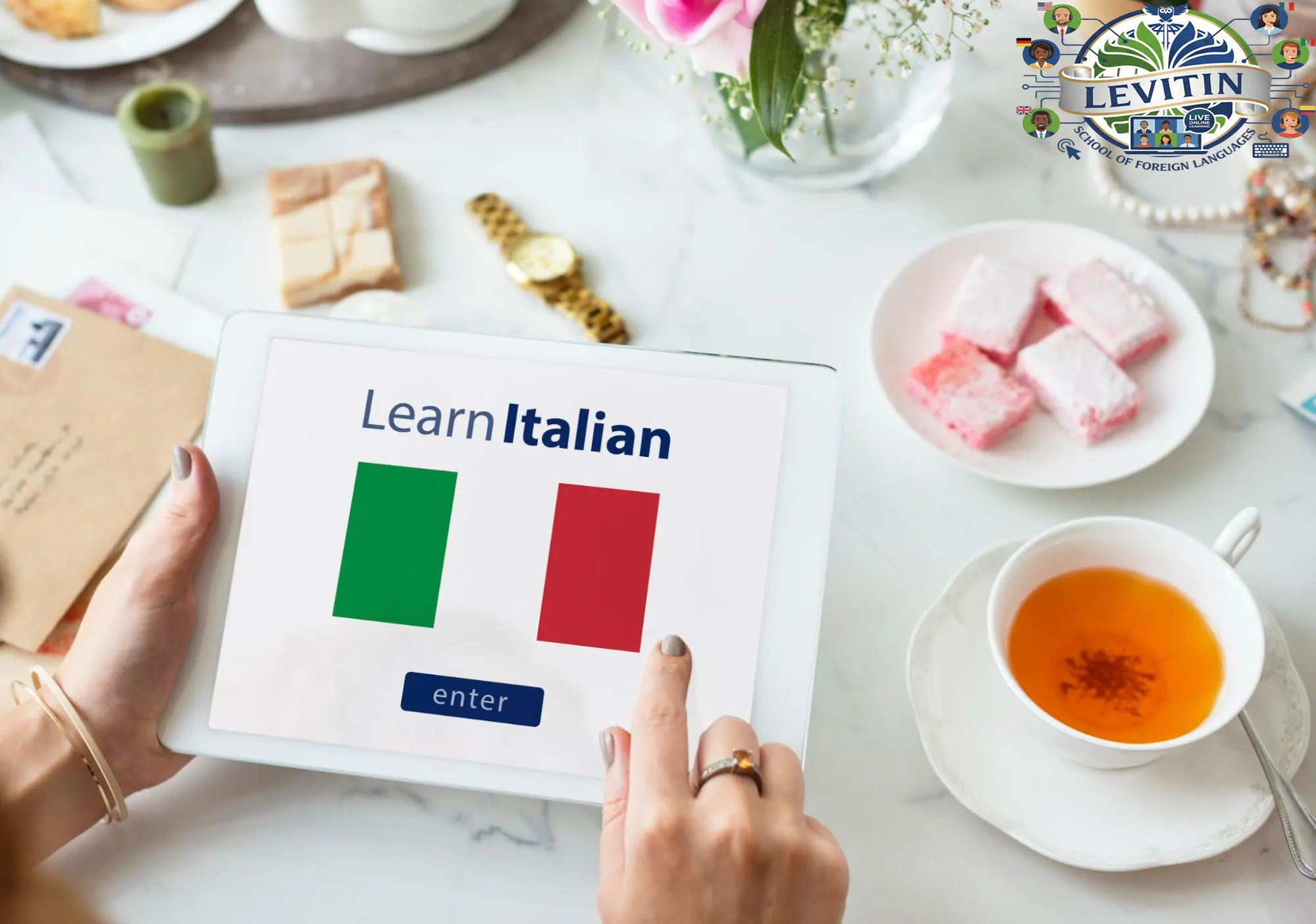
Most people pick an Italian course the way they pick a streaming service – skip the homepage, check the price, sign up. Then three weeks in, they’re still stuck saying “Ciao, come stai? ” and wondering why nothing’s sticking. The truth is, the course itself is doing most of the damage. Here’s the difference between one that works and one that doesn’t.
You Need to Hear Real Italians, Not Just Textbook Italian
Textbook audio is clean. Too clean. Real Italians speak fast, drop syllables, and mix in regional slang depending on whether they’re from Milan or Naples. A course that only feeds you slow, over-enunciated dialogue is setting you up for a rude shock the first time you order coffee in Rome and the barista doesn’t repeat himself for your benefit. Good courses mix in native-speed conversations early, even before you feel “ready,” because that’s the only way your ear actually adjusts.
Grammar Should Show Up When You Need It, Not Before
Plenty of courses front-load grammar – verb conjugation charts, gender rules, subjunctive mood – before you’ve said a single useful sentence. By the time you get to actual conversation, half of it’s forgotten. Courses that work tend to flip this: they teach you a phrase you’ll use tomorrow, then explain the grammar.
Speaking Practice Can’t Be an Afterthought
A lot of apps let you go weeks without saying a word out loud – just tapping multiple choice answers and matching pairs. That’s not language learning, that’s a quiz game. If a course doesn’t push you to actually speak, record yourself, or talk to a real person or tutor regularly, you’ll end up with great reading comprehension and total panic the moment someone asks you a question in person.
Consistency Beats Intensity
Fifteen minutes a day beats a three-hour cram session once a week, every time. Courses built around short, frequent sessions – with reminders, streaks, or built-in accountability – tend to produce people who actually finish. The ones that assume you’ll self-motivate through hour-long lessons usually lose people by week two.
Comparing the Ways People Learn Italian Online

There’s no single “correct” way to learn – each format solves a different part of the problem. Here are the main options:
1. Structured Online Courses
Good structured Italian language classes online are strong for grammar foundations, verb conjugation logic, and reading comprehension, especially if you’re working toward a formal goal like the CILS or CELI exam. They build the scaffolding a language needs.
What they usually lack is live conversation. Most are asynchronous by design, so you can finish an entire course with excellent grammar knowledge and still hesitate the first time you have to actually speak.
2. Tutor Marketplaces
Wide selection, wide price range, and tutors with all kinds of accents, regions, and specialties. This works well if you already know exactly what kind of teaching style suits you.
The tradeoff is inconsistency. Quality depends entirely on the individual tutor rather than a curated method, and many platforms push subscriptions before you’ve had a real chance to confirm the fit.
3. Group Classes
Small group Italian language courses are great for people who like structure and a bit of social accountability. Role-play exercises and light debate build real confidence, and hearing classmates with different accents is useful exposure.
The main drawback is that speaking time is shared among five or six people, which means each learner gets less time to practise during a session. As a result, progress can be slower.
4. One-on-One Live Tutoring
This is where most of the “speaking confidence” problem actually gets solved. Every minute belongs to you, no waiting your turn, no shared airtime. If you mangle a subjunctive clause, your tutor corrects it immediately, while the sentence is still fresh in your head.
A private lesson can also be built entirely around your week: an upcoming trip, a specific grammar point that’s been tripping you up, or just casual conversation practice to shake off the hesitation. It’s the format most people underestimate until they try it.
Why Language Learnings Is the Best Way to Learn Italian Online
- Most providers force you to pick one format and live with its tradeoffs – grammar without conversation, or conversation without structure. Language Learnings is built differently: it combines everything the sections above identify as effective into a single program, instead of making you patch it together yourself.
- Both formats, not just one. One-to-one and group learning options together, so you get structure and live speaking practice.
- Private lessons built around you. Paced to your goals – a trip, an exam, a sticking point.
- Group lessons that still get you talking. Built around role-play and spontaneous speaking, not passive listening.
- Real interaction over memorization. Live tutor time covering speaking, listening, reading, writing.
- Fits your schedule. Flexible scheduling supports the consistency that actually drives progress.
- Low-risk way to start. 30-minute trial lesson for $3.50 before committing to a full course.
How to Learn Italian Online Without Wasting Months
If you’re serious about progress and not just collecting app streaks, a few habits separate learners who get fluent from learners who stall out.
- Speak before you feel ready. Waiting until you “know enough” to start conversing is the single biggest reason people delay real progress, the discomfort doesn’t go away with more study, only with more speaking.
- Pair input with output. Use an app or podcast for vocabulary exposure, but pair it with live conversation so that vocabulary actually gets tested in real sentences.
- Test the format before committing. A single trial lesson tells you more about whether a course fits your learning style than any amount of reading reviews.
Choosing the Right Italian Languages Courses for Your Goals
The fastest way to narrow your options is to match the course type to what you actually need. Language Learnings is built to cover that combination in one place, rather than requiring you to stitch several tools together.
- Preparing for a certification exam (CILS, CELI, PLIDA)? Start with a structured course for the grammar and writing foundation, then add live conversation practice closer to the exam date.
- Want daily vocabulary habits with low pressure? A self-paced app fills that gap well, especially in the first few weeks.
- Want to actually hold a conversation with confidence? That requires live, corrected speaking practice, there’s no format that substitutes for it.
- Learning for a specific trip or event with a deadline? One-on-one tutoring lets a teacher build lessons entirely around your timeline and priorities.
For most learners, the honest answer isn’t one format – it’s a combination. Use an app for daily vocabulary reps, and pair it with live Italian language classes online to actually turn that vocabulary into something you can say out loud, under pressure, without freezing.
Conclusion
There’s no shortcut to learning Italian, but the right learning format can make all the difference. The learners who make steady progress are those who practise speaking regularly, receive real-time corrections, and stay consistent – and that’s exactly what Language Learnings is designed to provide. With one-on-one and group lessons led by live, native-speaking tutors and flexible scheduling, you can learn Italian in a way that fits your goals and routine.
Ready to start speaking Italian? Try your first 30-minute lesson for just $3.50, with no long-term commitment.