

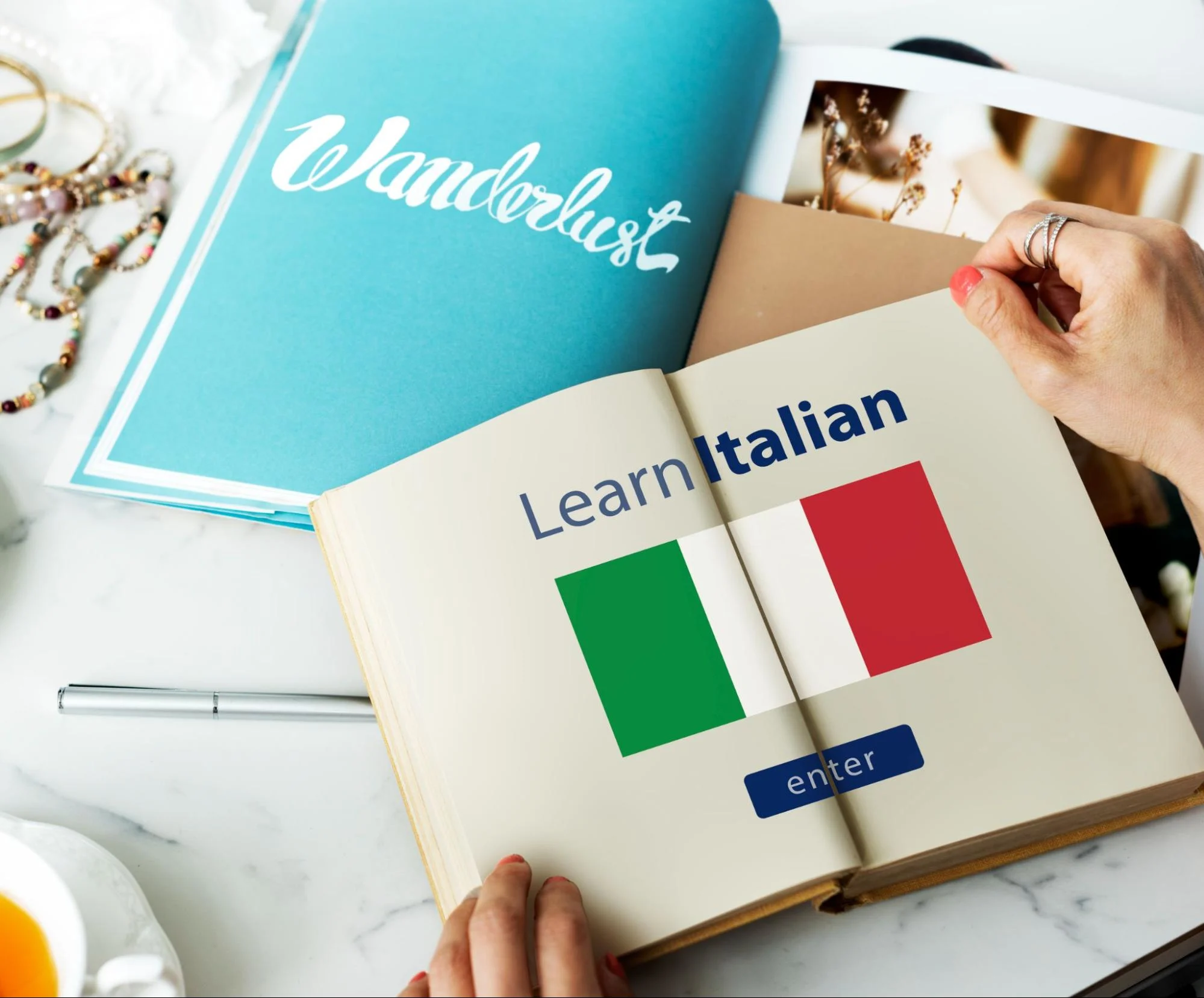
So you’re thinking about learning Italian, and somewhere between daydreaming about ordering espresso like a local and actually opening a textbook, the real question hits: Is this going to be hard? The short answer is no, not compared to most of the world’s languages. Italian sits in the easiest tier for English speakers, but “easy” doesn’t mean there’s nothing to learn.
Here’s the honest, no-fluff breakdown of what makes Italian approachable, where it actually gets tricky, and how long it realistically takes.
Where Italian Ranks on the Difficulty Scale

The U.S. Foreign Service Institute (FSI), which has trained American diplomats for decades, places Italian in Category I, its easiest classification.
That translates to roughly 600-750 hours of study to reach professional working proficiency.
Compare that to Category IV languages like Mandarin, Japanese, Korean, or Arabic, which need around 2,200 hours, nearly three times as long.
Italian sits in the same tier as Spanish, French, Portuguese, and Romanian: all Romance languages with strong overlap with English vocabulary.
For context, 600-750 hours works out to roughly 20-25 months at one hour a day, or under a year if you’re putting in two hours daily. Conversational comfort isn’t full fluency, but real conversations tend to show up much sooner, often within 6-12 months of consistent practice.
Why Italian Feels Familiar to English Speakers

Open an Italian newspaper as a complete beginner, and you’ll still understand more than you’d expect. That’s not luck, it’s history.
1. Shared Vocabulary (Cognates)
English borrowed heavily from Latin and French centuries ago, and that overlap shows up everywhere in Italian.
Words like “informazione” (information), “importante” (important), and “università” (university) are recognisable without ever opening a dictionary.
Learners can typically recognise a meaningful chunk of Italian vocabulary passively just from English alone, before any formal study.
This head start is rare among world languages; it’s one of the biggest reasons Italian feels less foreign than, say, Russian or Japanese from day one.
2. Predictable Pronunciation
Italian is a phonetic language: words are pronounced exactly as they’re spelled, with no silent letters or surprise sounds.
English, by contrast, has wildly inconsistent spelling-to-sound rules, like “tough,” “though,” and “through.”
Once you learn Italian’s pronunciation rules, which takes about an afternoon, you can sound out almost any word correctly, even ones you’ve never heard before.
The only real curveballs are rolling R’s and double consonants, and even those won’t stop native speakers from understanding you.
3. Familiar Sentence Structure
Italian follows Subject-Verb-Object order, just like English: “Io mangio una mela” = “I eat an apple.”
Forming questions doesn’t require rearranging the sentence. Italian just uses intonation in speech or a question mark in writing.
This is a real advantage over languages like Polish or German, where word order and case endings change the structure substantially.
Where Italian Actually Gets Challenging
It wouldn’t be fair to call Italian effortless. A few areas consistently trip up English-speaking learners.
- Gendered nouns. Every noun is masculine or feminine, and adjectives have to match. The good news: most nouns ending in “-o” are masculine, and most ending in “-a” are feminine, so the pattern is learnable, not random.
- Verb conjugation. Italian verbs change based on who’s doing the action, six forms per tense instead of English’s one or two. The patterns are regular, but there are more of them to internalise.
- Multiple past tenses. Passato prossimo, imperfetto, and the more literary passato remoto each carry different shades of meaning, and knowing which one fits takes real practice.
- Formal vs. informal “you.” Choosing between “tu” and “Lei” depends on social context, something English doesn’t require you to think about at all.
- False friends. A handful of words look like English but mean something else. “Camera” means “room,” not “camera.” “Fattoria” means “farm,” not “factory.” These are rare enough not to derail you, but they catch almost everyone at least once.
None of these are obstacles in the sense that they’ll block your progress. They’re more like speed bumps, confusing for a week or two, then they click once you’ve heard the pattern enough times in actual conversation. That’s a different experience from hitting a wall, which is what learners often describe with languages that share little or no grammatical overlap with English at all.
Italian vs. Spanish: Which Is Actually Easier?
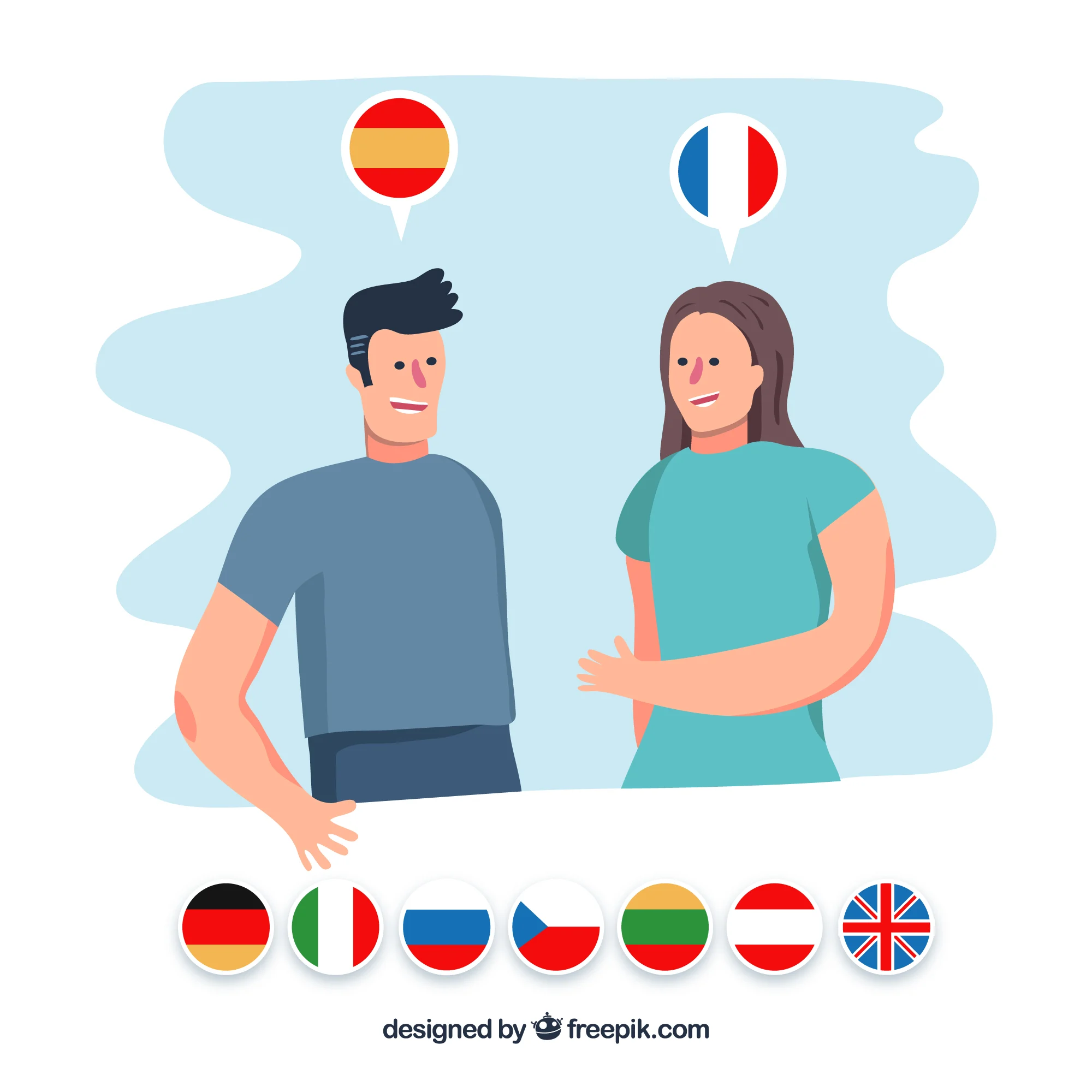
This comparison comes up constantly, and the honest answer is: they’re close.
- Both sit in FSI Category I, with nearly identical estimated study hours.
- Italian pronunciation is arguably more consistent and phonetic than Spanish.
- Spanish has a larger global footprint, which means more available content, media, and native speakers to practice with.
- If you already speak Spanish, Italian will feel noticeably easier; the grammar logic and a large chunk of vocabulary carry over directly.
A Realistic Timeline, Not a Sales Pitch
- First few months: You start recognising cognates, get comfortable with pronunciation, and can follow very simple spoken or written Italian children’s content, basic conversations, and simple subtitles.
- 6-9 months of consistent practice: Real conversations about everyday topics become possible. You’ll still make mistakes, and people will still understand you.
- 12-18 months: Many learners describe themselves as “fluent” at this stage, reading books, following films without subtitles, and discussing most topics comfortably.
- 2-3 years: Italian becomes something you operate comfortably across most areas of life, including work, closer to what the full 600-750-hour FSI estimate actually describes.
The timeline shifts a lot based on one factor more than any other: whether you’re getting real conversational practice, not just app streaks and flashcards. Two people can both log the same number of study hours and end up in completely different places, simply because one of them was talking to another human and the other was tapping through multiple-choice questions.
Ready to Start Speaking, Not Just Studying?
Reading about Italian’s difficulty level is one thing; actually building the habit of speaking it is what gets you to fluency. Language Learnings pairs you with a tutor for real conversation from your very first session, so the grammar points above stop being theory and start being things you actually use. If you want to see what that feels like, our trial lesson is the easiest way to find out.
And if you’re weighing Italian against a more challenging language like Polish, our Polish Grammar Basics guide breaks down exactly what that extra difficulty looks like in practice.
FAQs
No. Italian is classified as a Category I language by the FSI, its easiest tier, requiring roughly 600-750 hours to reach professional proficiency. Most learners reach conversational comfort in 6-12 months of consistent practice.
Conversational fluency typically takes 6-12 months of regular practice. Reaching a level where you can read books, watch films without subtitles, and discuss most topics comfortably usually takes 12-18 months.
They’re comparable; both are Category I languages with similar study-hour estimates. Italian pronunciation is slightly more phonetic, while Spanish has a larger base of available content and speakers.
Most English speakers find verb conjugation, gendered nouns, and choosing between past tenses (passato prossimo vs. imperfetto) the trickiest parts. None of these is a difficult concept to understand; they just take repetition.